The Mists of Pandaria expansion for World of Warcraft introduced players to a vibrant new continent filled with rich lore, unique races, and diverse environments. This guide delves into the intricate design and development of Pandaria, focusing on the Mogu, Mantid, and Yaungol. Understanding these races and their contributions to the continent’s narrative and gameplay mechanics is essential for players seeking to fully appreciate this expansion’s depth and creativity.
What are the Mogu and their role in Pandaria?
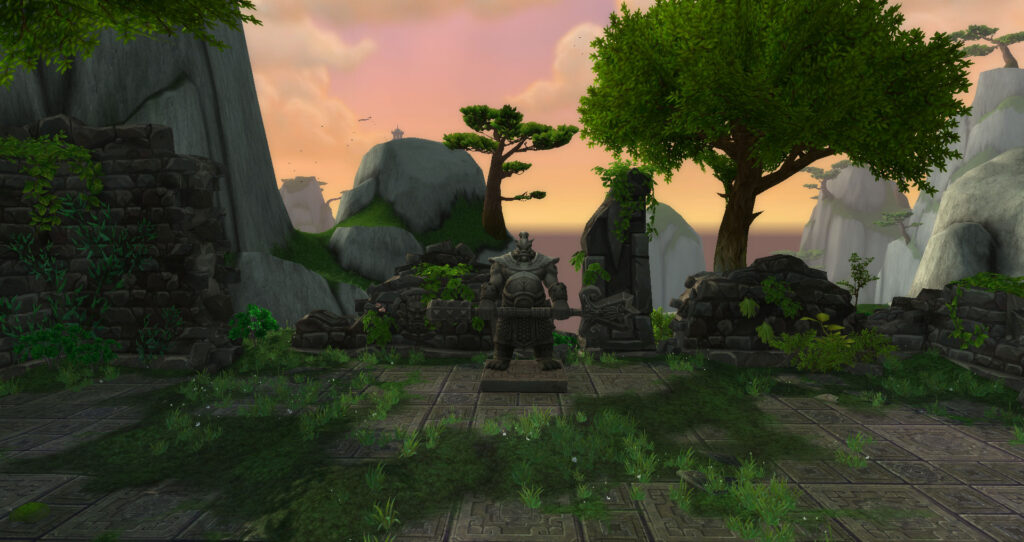
The Mogu are an ancient race of stone-skinned giants who once ruled over Pandaria with an iron fist, serving as the primary antagonists in the Mists of Pandaria expansion.
The Mogu were created by the Titans as a means to harness the power of the land, but over time, they became tyrannical rulers, enslaving other races and manipulating the very essence of the continent. Their mastery over the arcane and their ability to manipulate the energies of the land made them formidable foes. The Mogu’s history is deeply intertwined with the lore of Pandaria, as they were responsible for the creation of many of the continent’s structures and artifacts. Their society was built on the principles of strength and dominance, leading to a culture that revered power above all else. This cultural backdrop sets the stage for the conflict between the Mogu and the other races of Pandaria, particularly the Pandaren, who sought to overthrow their oppressors.
The Mogu’s gameplay mechanics reflect their lore, with players encountering them in various forms throughout the expansion. They possess unique abilities and tactics that challenge players to adapt their strategies. For instance, Mogu warriors utilize powerful melee attacks and can summon constructs to aid them in battle. Understanding their combat style is crucial for players looking to succeed in encounters against them. Additionally, the Mogu’s architecture and environmental design contribute to the overall aesthetic of Pandaria, showcasing their grandeur and the remnants of their once-mighty empire.
How do the Mantid contribute to the lore of Pandaria?
The Mantid are a race of insectoid warriors that serve as the guardians of the Mogu’s legacy, embodying the themes of loyalty and sacrifice in the lore of Pandaria.
Originating from the Vale of Eternal Blossoms, the Mantid are driven by a singular purpose: to protect their land from perceived threats. Their society is structured around a strict caste system, with each caste fulfilling specific roles, from warriors to workers. This hierarchical organization reflects their deep-rooted traditions and the influence of the Old Gods, who manipulate their actions and beliefs. The Mantid’s lore is rich with themes of honor and duty, as they are bound to defend the Mogu’s legacy even after their downfall. This creates a complex relationship between the Mantid and the other races of Pandaria, particularly the Pandaren, who view them as both adversaries and tragic figures.
In gameplay, the Mantid present unique challenges and mechanics that require players to adapt their strategies. For example, during encounters with Mantid bosses, players must navigate through swarms of lesser Mantid while managing powerful abilities from the elite foes. Understanding the Mantid’s combat mechanics, such as their ability to swarm and overwhelm opponents, is crucial for success in raids and dungeons. Additionally, the Mantid’s design and aesthetics contribute to the overall atmosphere of Pandaria, with their intricate armor and vibrant colors enhancing the visual storytelling of the expansion.
- Study Mantid lore to understand their motivations and combat styles.
- Prepare for encounters by learning about their unique abilities and tactics.
- Utilize crowd control strategies to manage Mantid swarms effectively.
- Explore the Vale of Eternal Blossoms to uncover Mantid history and secrets.
What is the significance of the Yaungol in Pandaria’s ecosystem?
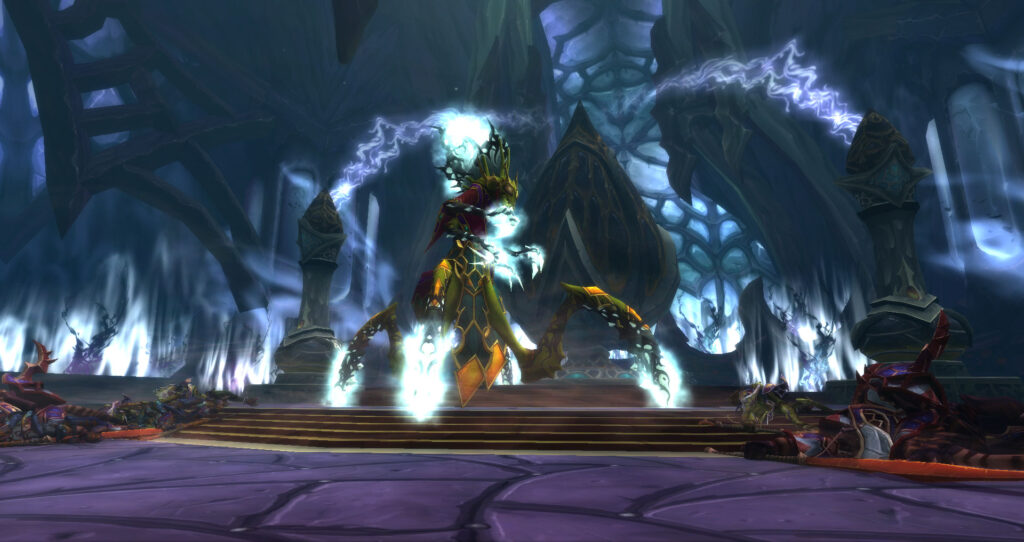
The Yaungol are a nomadic, bull-like race that plays a crucial role in the ecological and cultural landscape of Pandaria, representing the struggle for survival in a land filled with conflict.
As descendants of the Mogu, the Yaungol embody the harsh realities of life in Pandaria. They are fierce warriors, often clashing with both the Mogu and the Pandaren as they seek to carve out their own existence. Their nomadic lifestyle is characterized by a deep connection to the land, as they follow the seasonal migrations of wildlife and adapt to the changing environment. This relationship with nature is reflected in their culture, which values strength, resilience, and adaptability. The Yaungol’s struggles against the Mogu’s remnants and their interactions with other races highlight the complexities of survival in a world shaped by ancient powers.
In terms of gameplay, the Yaungol introduce unique mechanics that challenge players to engage with their environment strategically. For instance, Yaungol warriors utilize powerful charge attacks and can summon elemental forces to aid them in battle. Players must learn to anticipate these abilities and adjust their tactics accordingly. Additionally, the Yaungol’s presence in various zones adds depth to the world-building of Pandaria, as their camps and structures reflect their nomadic nature and cultural heritage. Understanding the Yaungol’s role in the ecosystem is essential for players seeking to immerse themselves in the rich lore of the expansion.
| Race | Key Characteristics | Combat Style | Environmental Influence |
|---|---|---|---|
| Mogu | Stone-skinned giants, tyrannical rulers | Powerful melee attacks, arcane manipulation | Architectural grandeur, ancient ruins |
| Mantid | Insectoid warriors, caste system | Swarming tactics, loyalty to the Mogu | Vale of Eternal Blossoms, vibrant aesthetics |
| Yaungol | Nomadic, bull-like race, survivalists | Charge attacks, elemental summoning | Nomadic camps, ecological adaptability |
How did the design of Pandaria enhance gameplay experience?
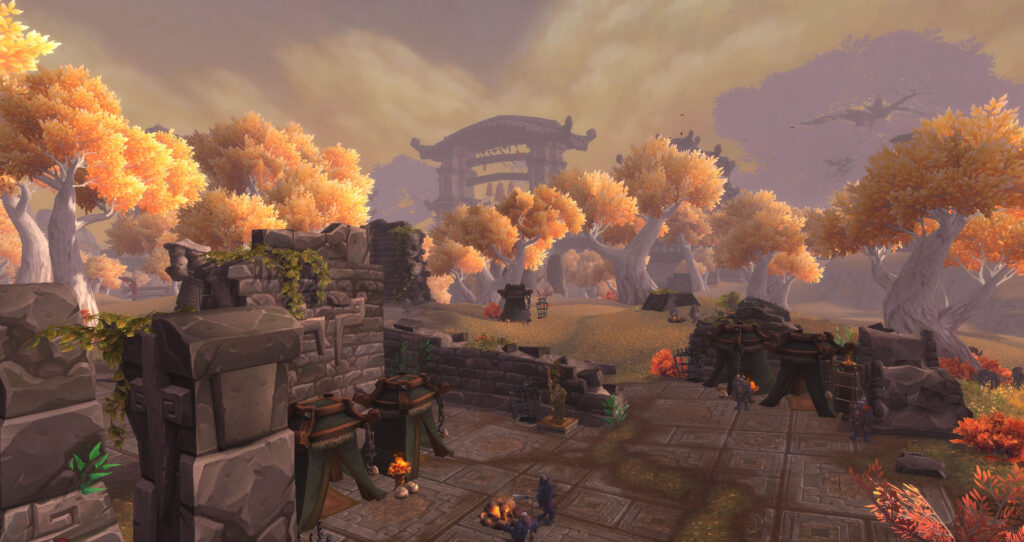
The design of Pandaria was meticulously crafted to enhance the gameplay experience, offering players a rich, immersive world filled with diverse environments and engaging narratives.
From lush forests to towering mountains, the geography of Pandaria is designed to encourage exploration and discovery. Each zone is uniquely themed, with distinct visual styles and environmental storytelling that immerses players in the lore of the continent. The design philosophy emphasizes verticality and interactivity, allowing players to engage with the environment in meaningful ways. For instance, players can climb cliffs, traverse rivers, and explore hidden caves, all of which contribute to a sense of adventure and wonder. This level of detail not only enhances the aesthetic appeal but also supports gameplay mechanics, such as questing and combat.
Moreover, the integration of the Mogu, Mantid, and Yaungol into the world design creates a cohesive narrative thread that ties the various elements of gameplay together. Players encounter these races in dynamic ways, from engaging in epic battles to uncovering their histories through quests and lore. The design of Pandaria encourages players to interact with these races, fostering a deeper understanding of their motivations and conflicts. This interconnectedness enhances the overall gameplay experience, making each encounter feel significant and impactful within the larger narrative of the expansion.
What are the best practices for exploring Pandaria?
Exploring Pandaria effectively requires players to adopt specific strategies that maximize their engagement with the continent’s rich lore and diverse gameplay mechanics.
First, players should prioritize completing quests in a sequential manner to fully experience the unfolding narrative. Each quest often builds upon the last, providing context and depth to the story. Additionally, engaging with the various factions, such as the Mogu, Mantid, and Yaungol, allows players to unlock unique rewards and insights into the lore. Players should also take the time to explore off-the-beaten-path locations, as many hidden treasures and lore items can be found in less-traveled areas. This exploration not only enhances the gameplay experience but also contributes to character progression through the acquisition of valuable resources and gear.
Furthermore, players should utilize the in-game map and tools to track their progress and identify areas of interest. Keeping an eye on environmental cues, such as landmarks and NPCs, can lead to unexpected discoveries and enrich the exploration experience. Finally, collaborating with other players can enhance the journey, as shared experiences often lead to deeper insights and strategies for overcoming challenges. By adopting these best practices, players can fully immerse themselves in the vibrant world of Pandaria and appreciate the intricate design and storytelling that Mists of Pandaria offers.
Frequently Asked Questions
What are the main features of the Mists of Pandaria expansion?
The Mists of Pandaria expansion introduced a wealth of new features, including a new playable race (the Pandaren), a new class (the Monk), and a vast new continent filled with diverse environments and rich lore. Players also experienced new gameplay mechanics, such as the pet battle system and the introduction of scenarios.
How do the Mogu, Mantid, and Yaungol interact with each other?
The Mogu, Mantid, and Yaungol have complex relationships characterized by conflict and competition for resources. The Mogu once ruled over the Mantid, who now serve as guardians of their legacy, while the Yaungol often clash with both races as they seek to establish their own territory and identity.
What is the significance of the Vale of Eternal Blossoms?
The Vale of Eternal Blossoms is a central hub in Pandaria, representing the heart of the continent’s natural beauty and spiritual significance. It serves as a focal point for many quests and storylines, showcasing the conflict between the various races and the impact of the Old Gods on the land.
Leave a Reply